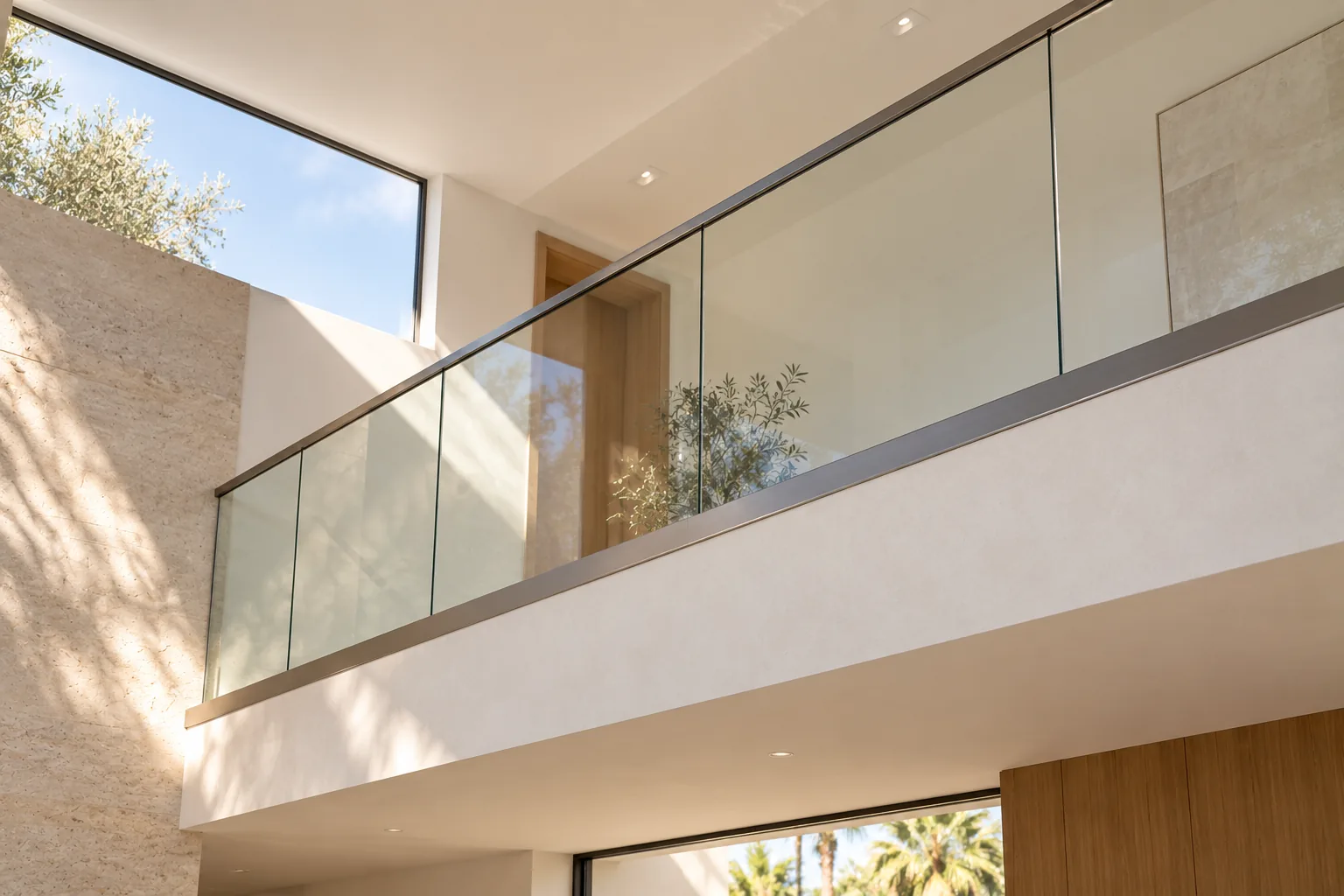
Tempered or laminated? Start with what happens next.
The best glass specification starts with the failure scenario, not a sample rack. Tempered and laminated glass solve different problems, and the assembly around them matters just as much.
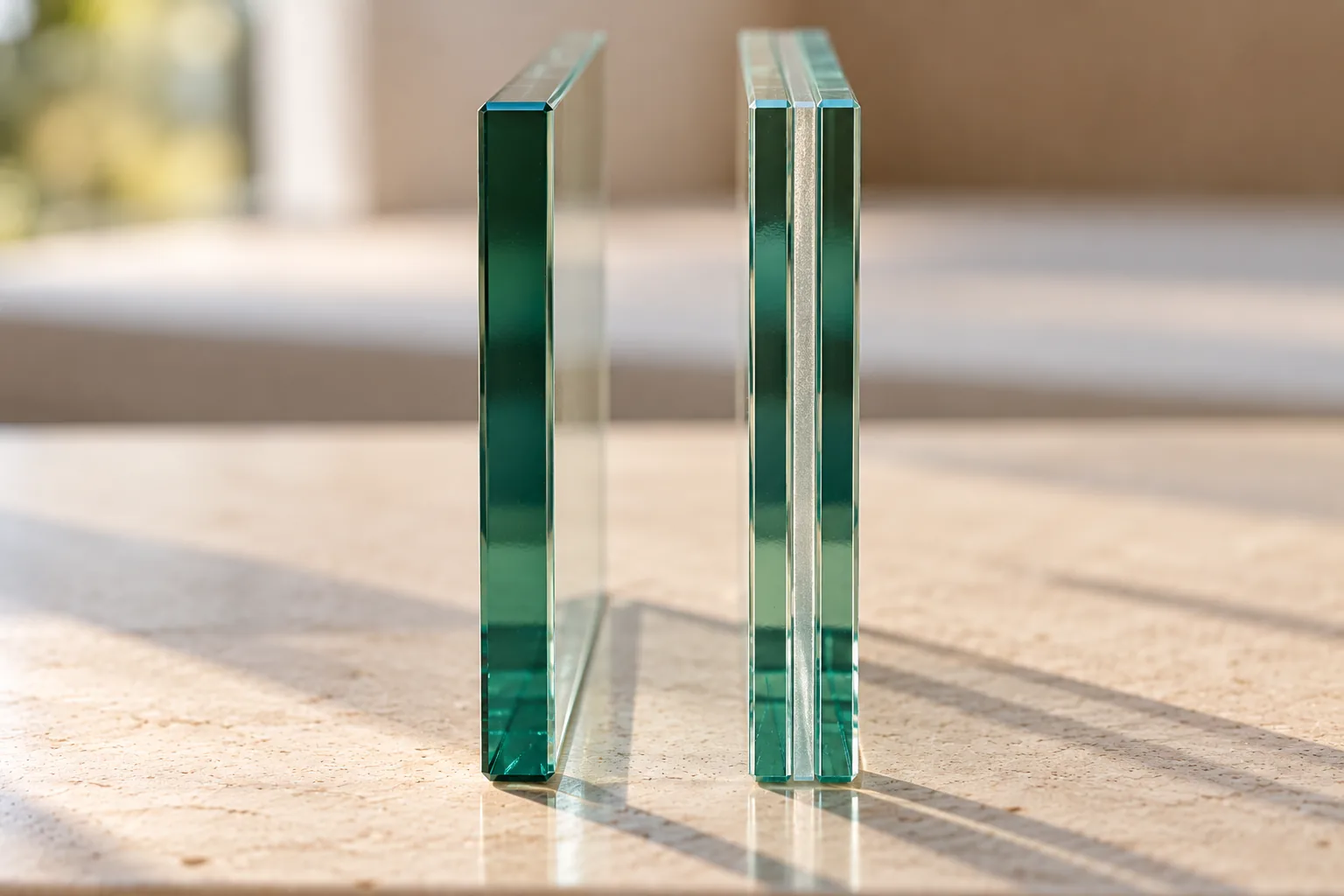
Heat treatment increases the glass’s surface strength. When it fails, it is designed to fracture into many small pieces rather than long sharp shards. Tempered glass is useful where impact safety and thermal resistance matter, but once it breaks, it no longer acts as a continuous panel.
02
Laminated glass
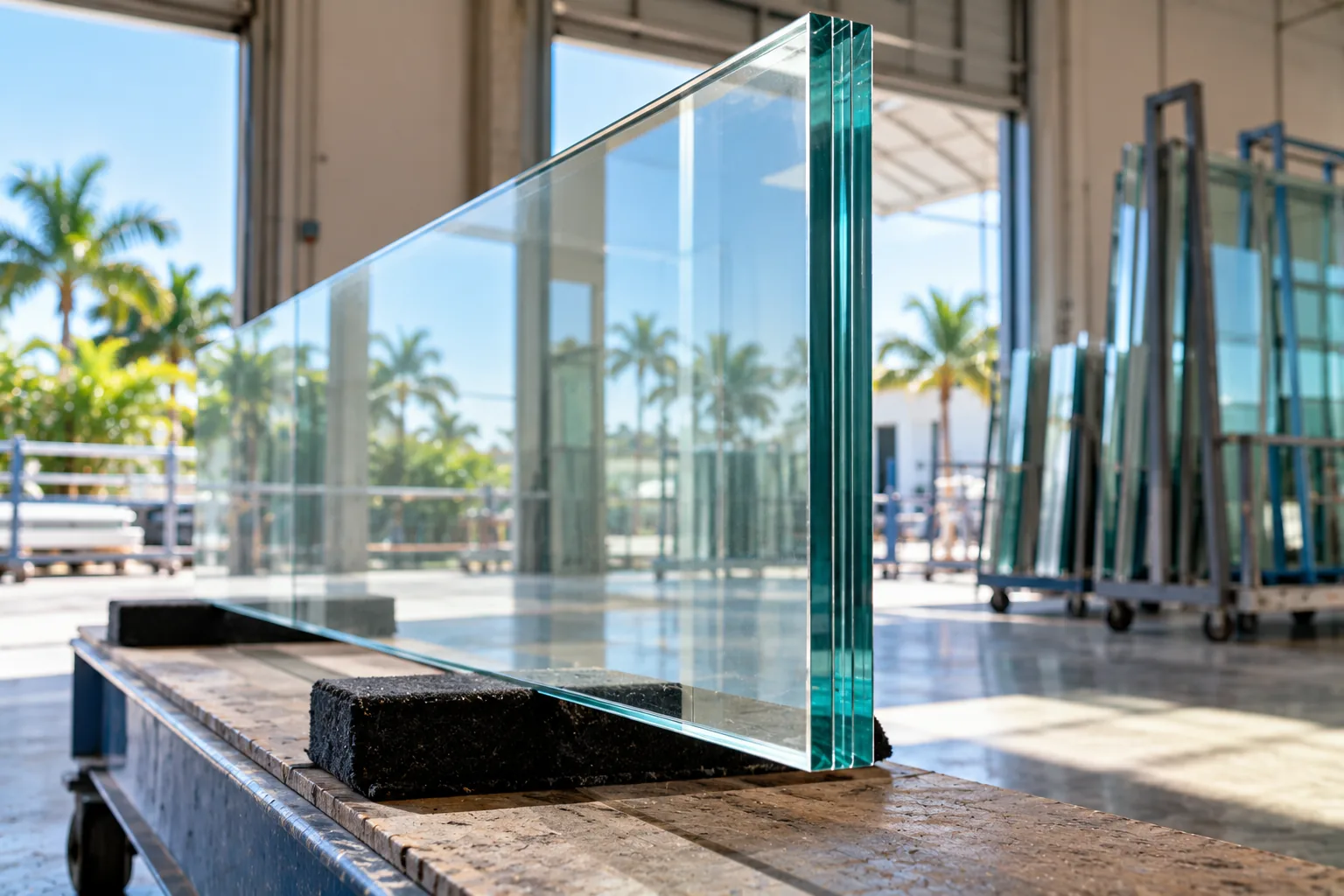
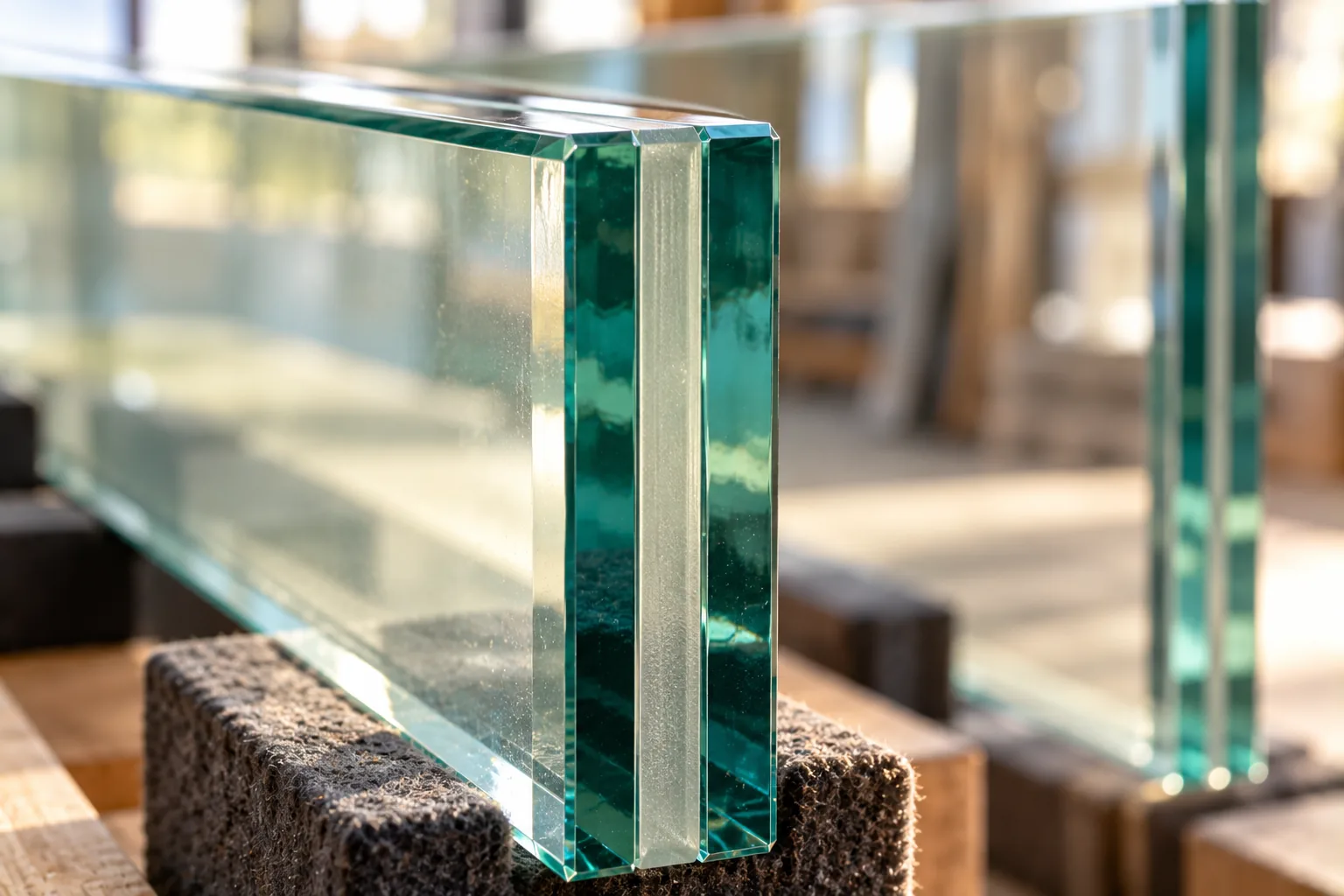
Laminated glass bonds two or more lites with an interlayer. If the glass cracks, the interlayer is intended to hold fragments together and help the panel remain in place. That retention can be critical where glass is overhead, beside a drop, or part of a guard system, subject to the specific tested and engineered assembly.
03
Heat-strengthened laminated glass
Heat-strengthened glass sits between annealed and fully tempered glass in strength. When laminated, it can offer a useful balance of strength, optical quality, and post-breakage retention. The specification still needs to match the code, loads, edge condition, support, and manufacturer’s tested configuration.
04
A simple decision framework
Ask four questions: what can strike the glass, what is below it, must the panel remain a barrier after breakage, and what loads will the system see? A shower door, a stair guard, a balcony railing, and a fixed office panel can each lead to a different answer even when they share the same visual finish.
05
Do not specify the lite alone
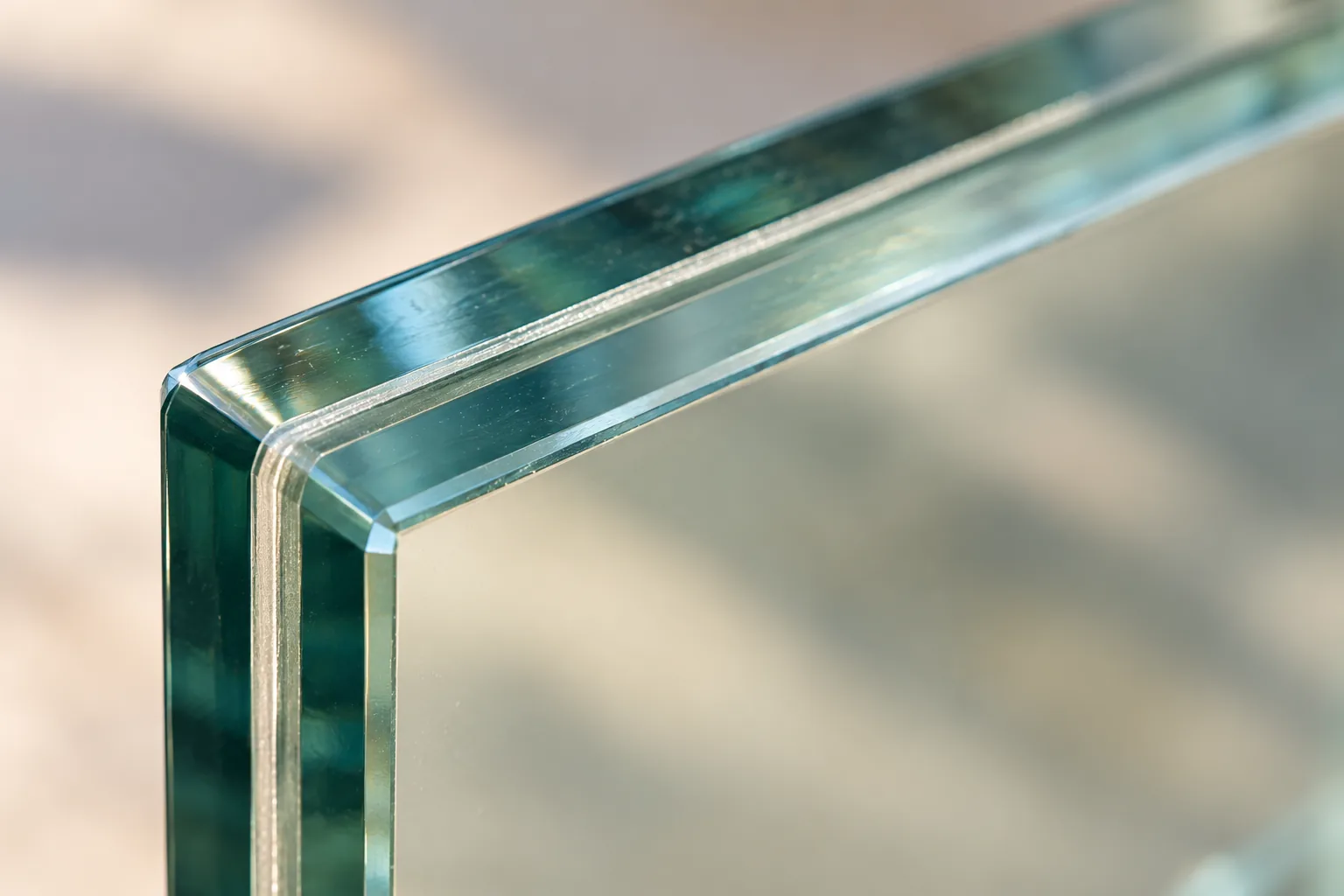
Thickness, interlayer, heat treatment, edge finishing, holes, notches, fittings, clearances, and support conditions are part of one engineered product. Confirm the final make-up before ordering, especially when a drawing, permit, or structural calculation is required.
Which system suits a project depends on the surface it fixes to and how the space is used. Send photographs or a plan and we will go through the options against your own site rather than in general.