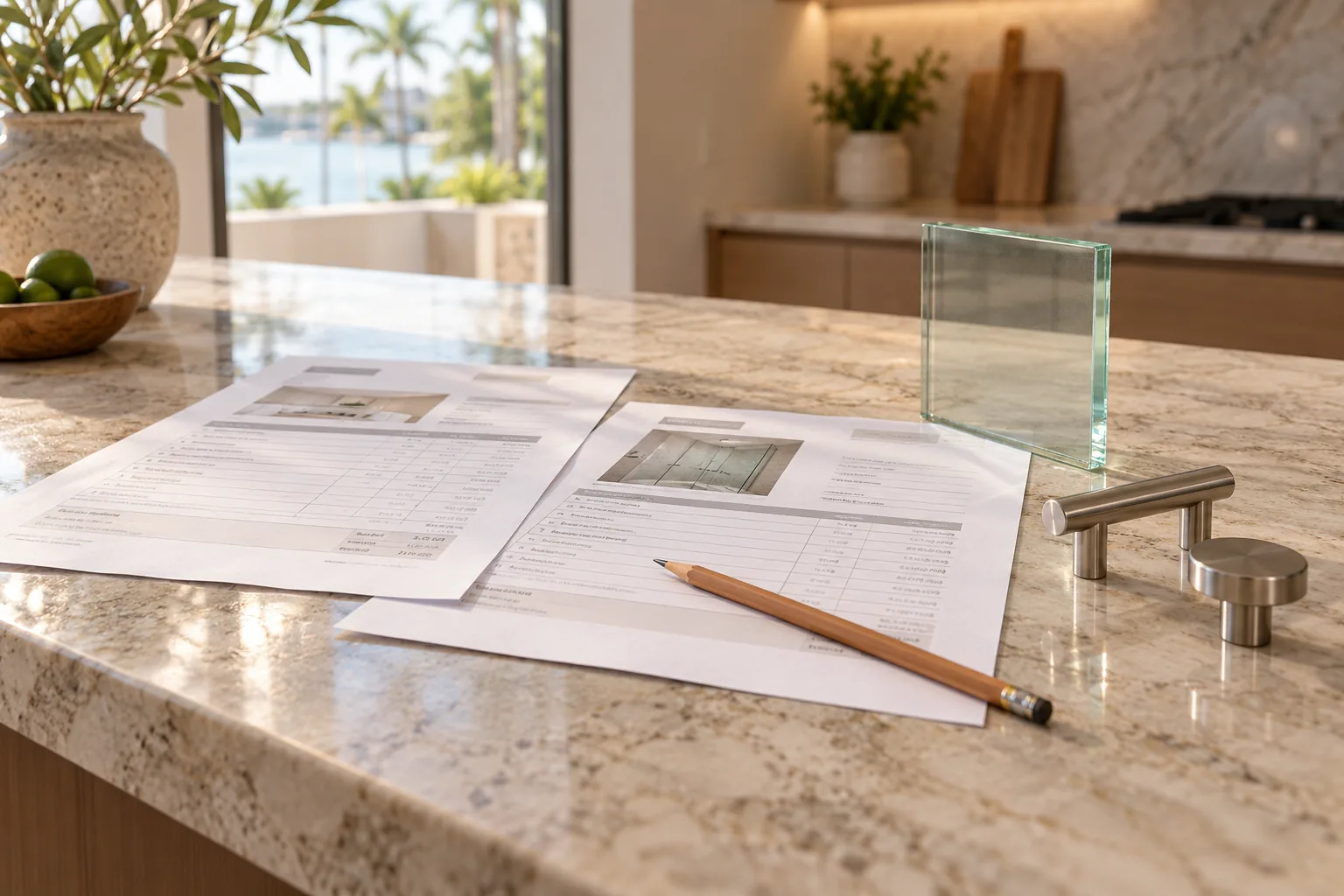
Submit the glass estimate you are working from. We price the identical scope ten percent below it and return a line-by-line reading of what that estimate actually specifies — before you award the work.
A PDF, a scan, or a forwarded email — whatever form it reached you in. Nothing needs to be re-keyed and no second site visit is required: the dimensions already on that estimate are the dimensions we price against. For most scopes you have our number without anyone returning to the property.
It applies to a like-for-like scope — the same glass make-up, the same hardware grade, the same work. The estimate must be written, dated within the previous thirty days, and issued by a licensed Florida contractor. Pricing is confirmed against site conditions before it is final. One per project.
03
We price the specification, not the headline
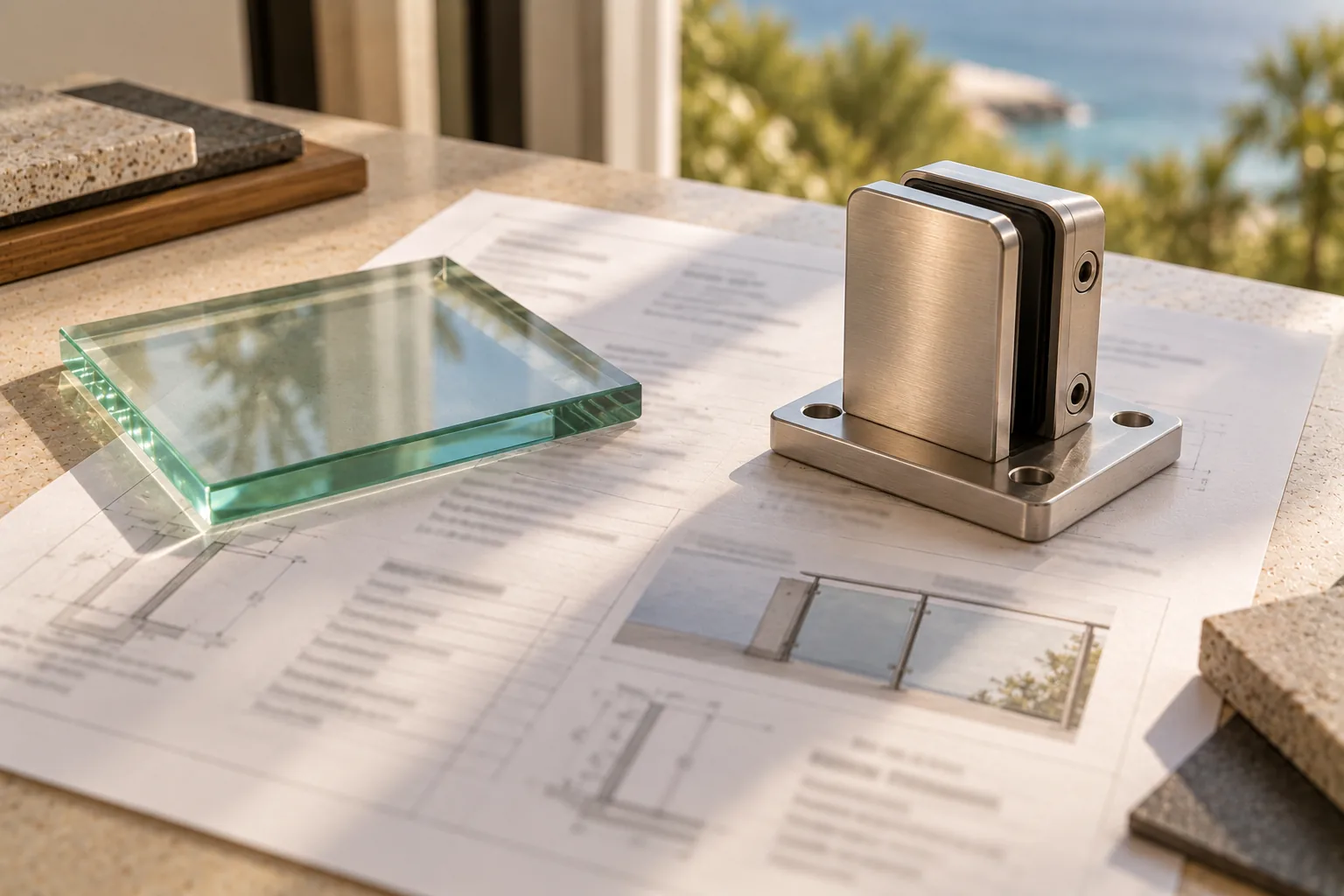
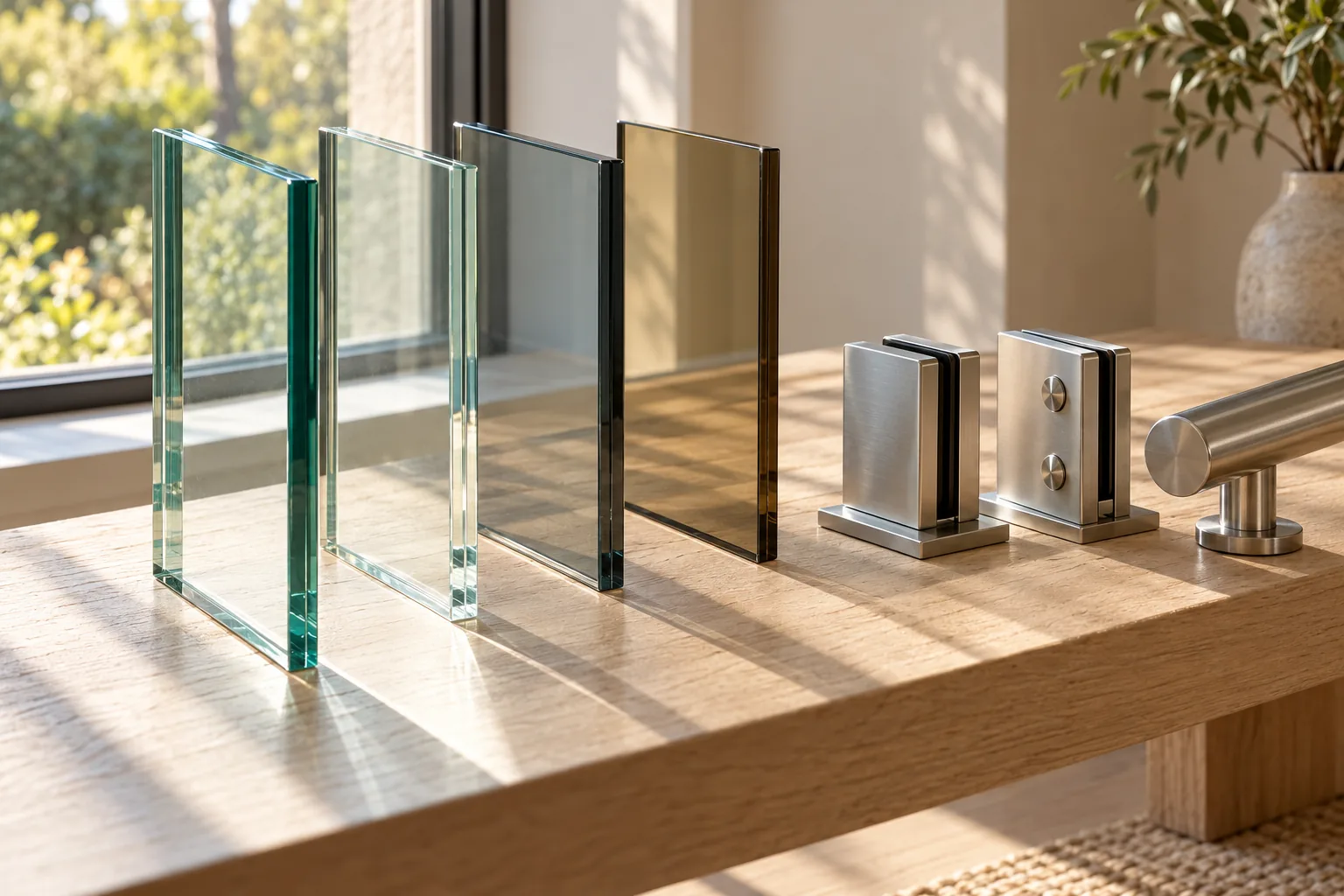
Two estimates that look far apart are usually separated by what they specify rather than by margin. We examine the glass construction against the actual exposure, whether a required top rail or graspable handrail appears at all, hardware grade for coastal installations, edge treatment, what the anchoring assumes about the substrate, and which items have been moved into exclusions.
04
You receive a written comparison
Matched lines, omissions, and anything we would specify differently, each with the reasoning behind it. Where a number is low because an item is absent, you will see which line it is and what the corrected scope costs — in time to price the job properly rather than after it is awarded.
05
Where a scope is wrong, we say so
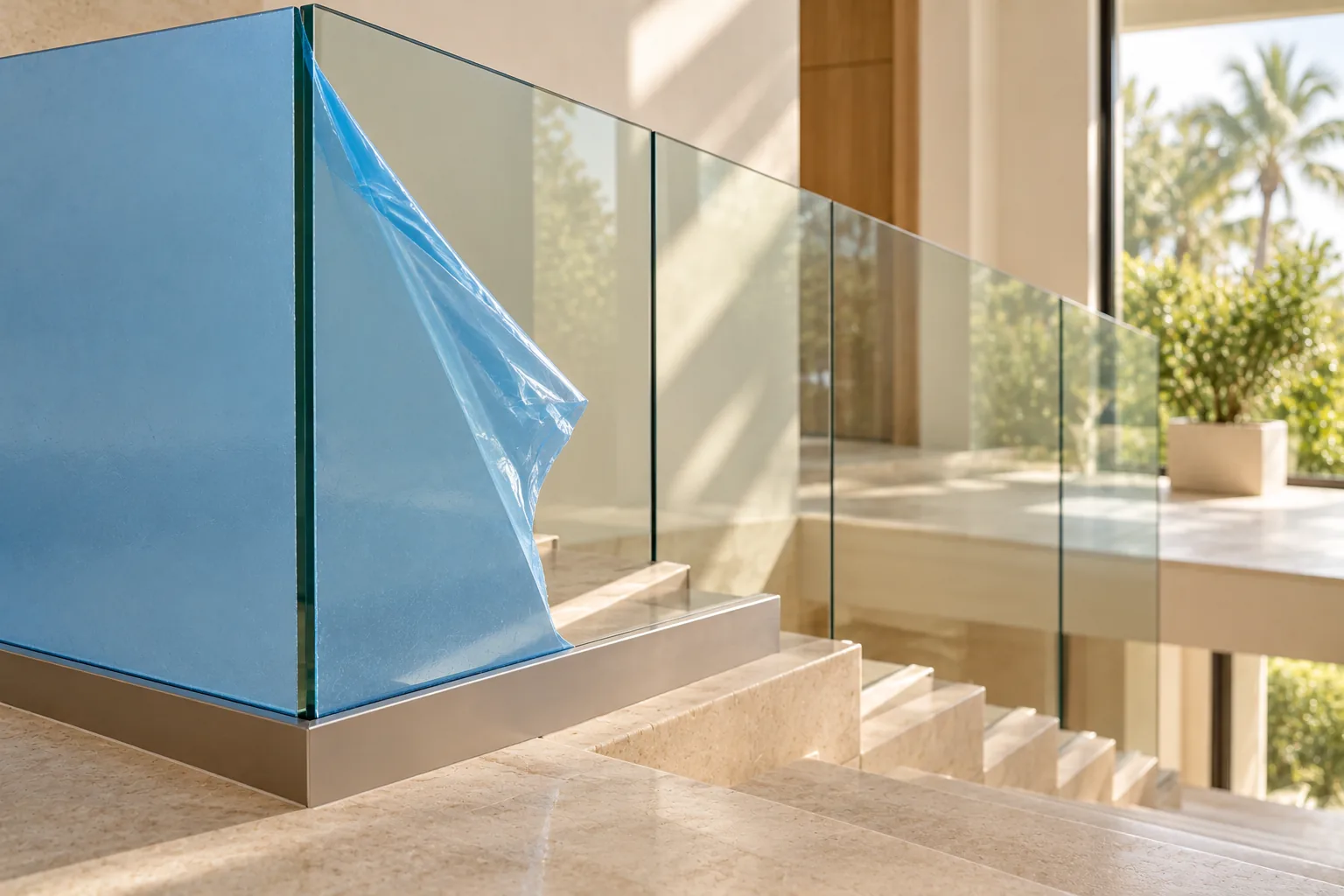
If an estimate specifies something we would not stand behind — glazing that does not belong in that exposure, a guard assembly without the support the code path requires — we will not match it quietly to reach a number. You receive our price on the scope as it should be built, with the difference explained. A specification corrected at bid stage is considerably cheaper than one corrected at inspection.
06
What actually moves the number
Before you send anything, it is worth knowing which lines on a glass estimate carry the money. The mounting system moves it more than the glass does; a curve moves it more than either; and the lines a short quote leaves out are the ones that come back later as a change order.
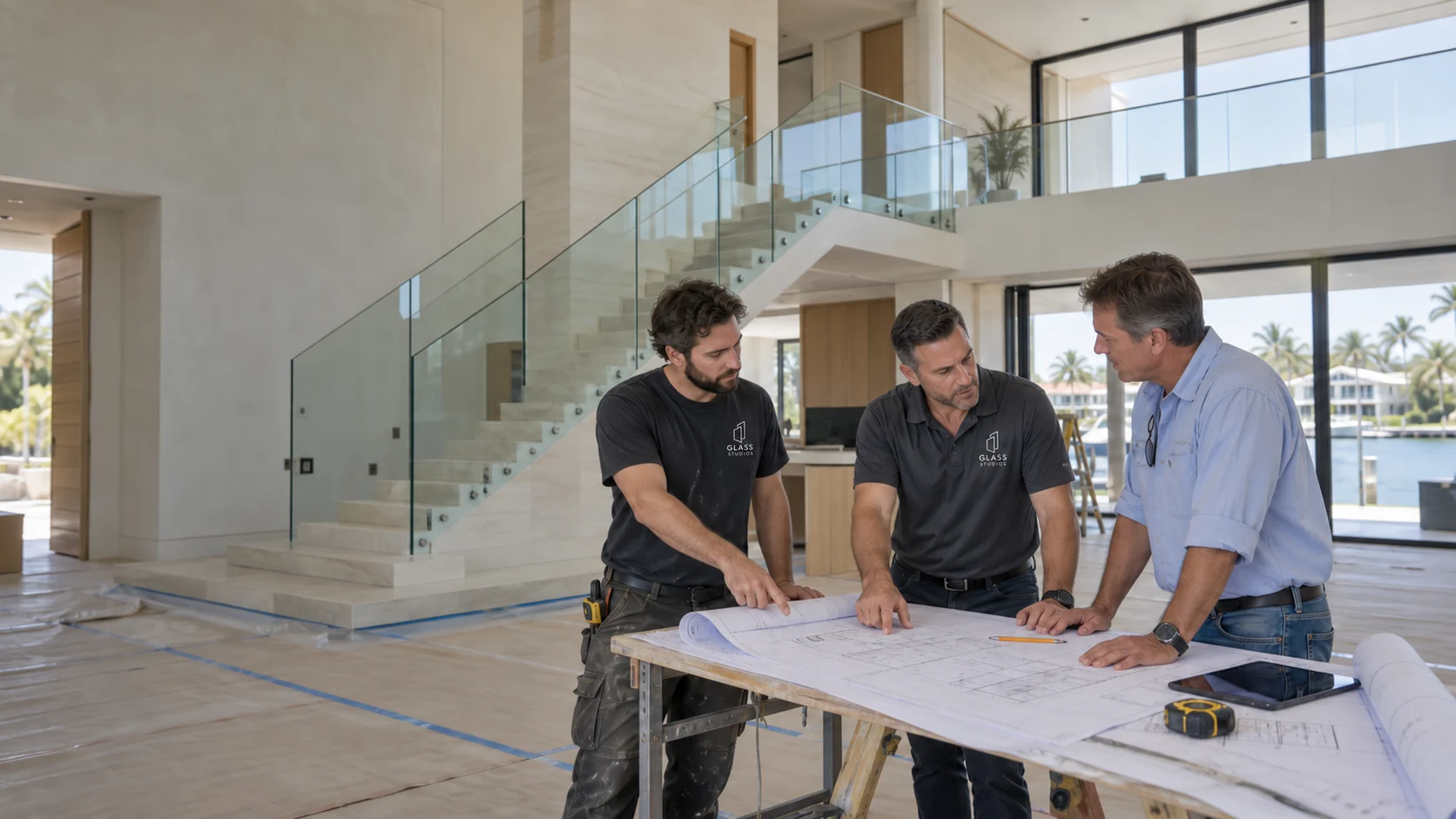
The estimate itself. Where available: drawings or the permit set, photographs of the opening or the run, and the date you need to award by. Client names are not required and we do not ask for them.
We will read it against the scope: the glass and hardware specified, the installation assumptions, the access arrangements and what has been left out. You keep the comparison either way.